
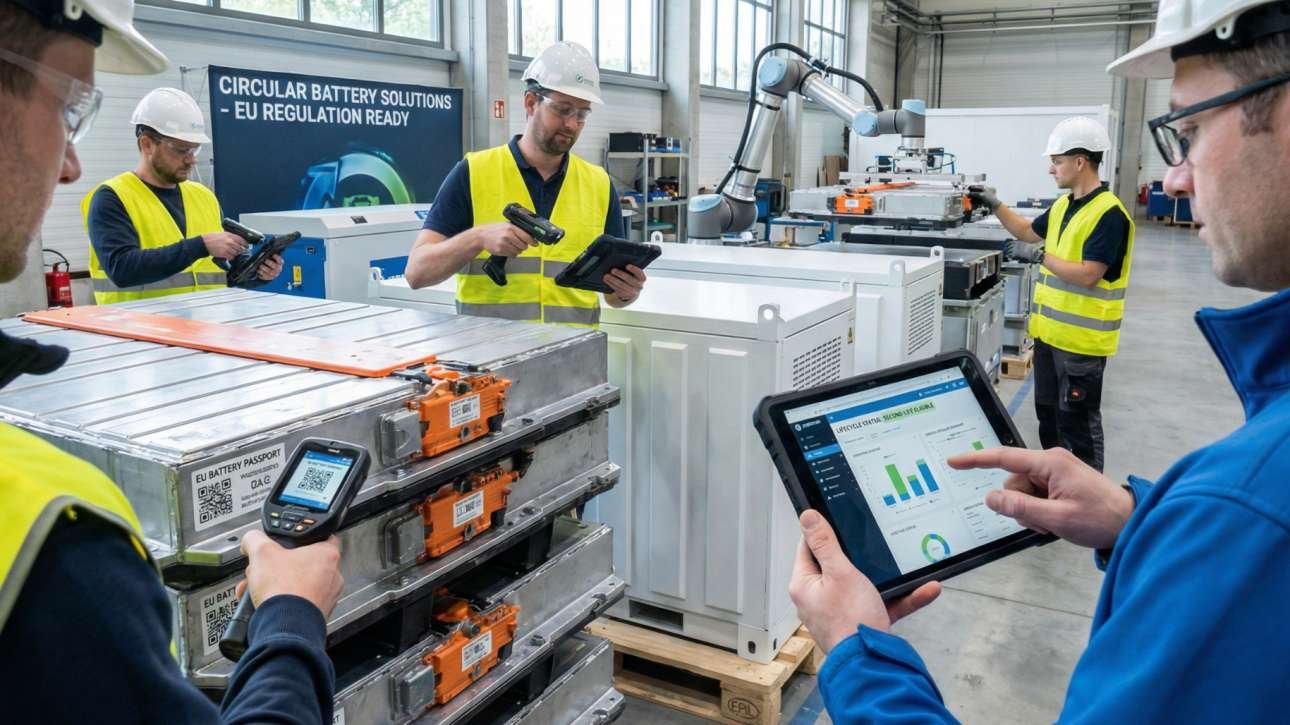
The global battery industry is entering a structural transformation. What was once viewed as an environmental obligation is now becoming a strategic growth engine, driven by regulation, data transparency, and supply chain security. Between 2025 and 2035, the battery recycling and second-life battery market is set to move decisively from fragmented experimentation to industrial-scale deployment, underpinned by binding policy frameworks-most notably in Europe-and rising geopolitical pressure to localize critical materials.
According to industry forecasts, the market will exceed USD 3.59…
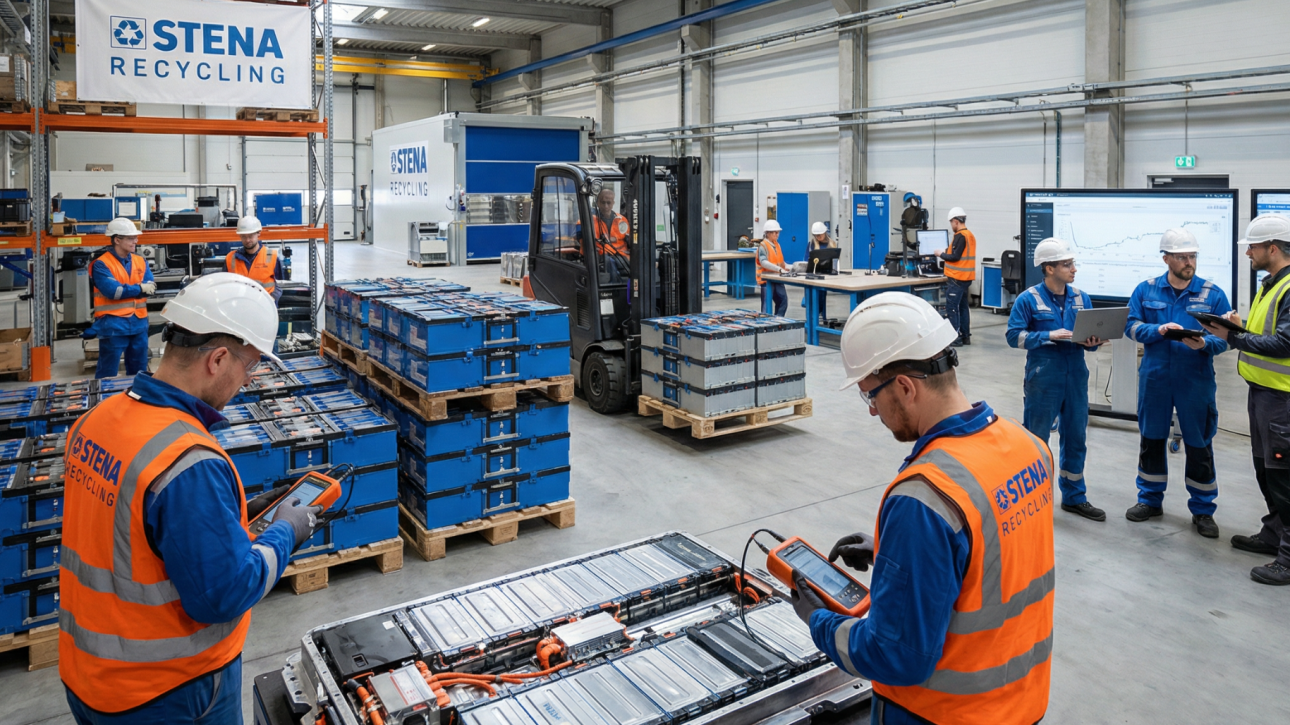
As electrification reshapes the global automotive industry, a quieter but far more consequential race is underway-one that will determine whether electric mobility becomes economically sustainable at scale. Stena Recycling’s decision to expand its investment in electric vehicle (EV) batteries beyond SEK 500 million marks a decisive shift in how the world’s battery value chain is being re-engineered for the long term.
This is not merely a recycling story. It is a global signal that the EV economy is entering its…
Introduction
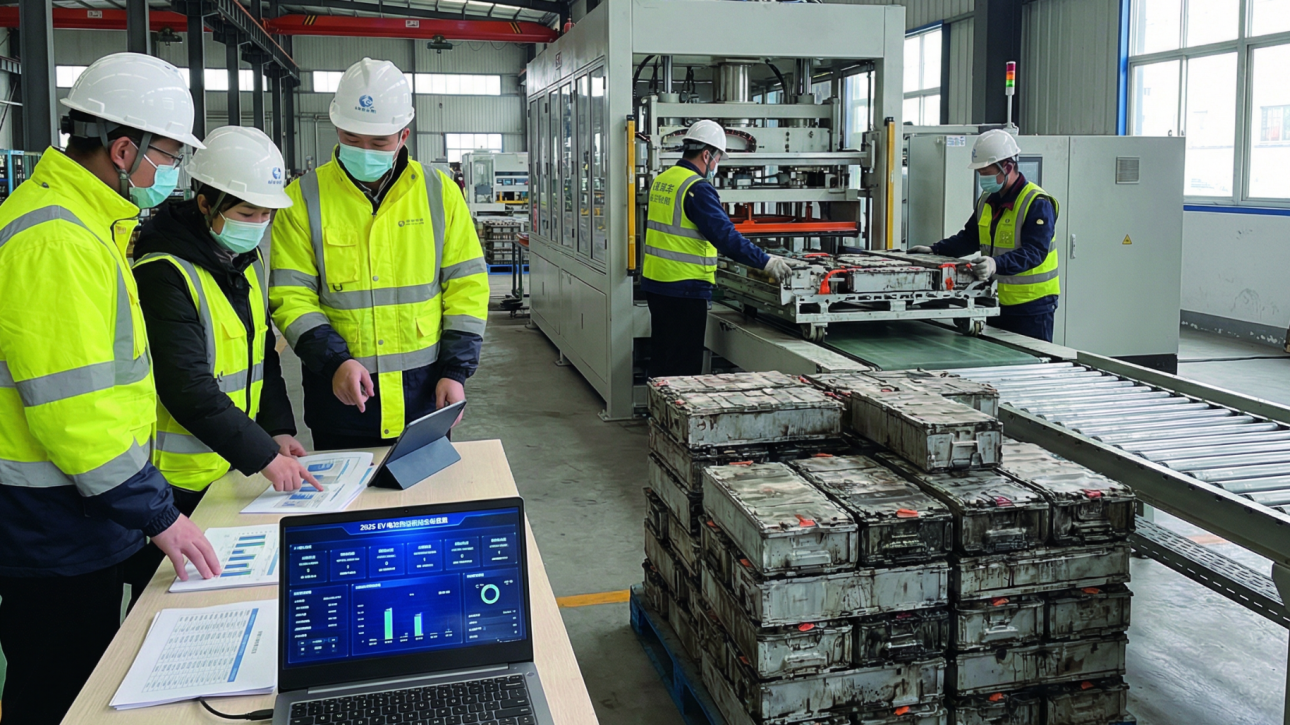
China’s implementation of strict EV battery recycling regulations in 2026 marks a defining moment for the global electric vehicle (EV) ecosystem. Far from being a regional regulatory update, this policy represents a strategic shift toward a mature, circular, and resilient global EV economy. For C-level executives navigating electrification, sustainability, and long-term capital allocation, China’s move offers critical insights into where the global market is headed next.
As the world’s largest EV manufacturer and battery producer, China’s actions inevitably set…
The global battery industry is entering a structural transformation. What was once viewed as an environmental obligation is now becoming a strategic growth engine, driven by regulation, data transparency, and supply chain security. Between 2025 and 2035, the battery recycling and second-life battery market is set to move decisively from fragmented experimentation to industrial-scale deployment, underpinned by binding policy frameworks-most notably in Europe-and rising geopolitical pressure to localize critical materials.
According to industry forecasts, the market will exceed USD 3.59…
As electrification reshapes the global automotive industry, a quieter but far more consequential race is underway-one that will determine whether electric mobility becomes economically sustainable at scale. Stena Recycling’s decision to expand its investment in electric vehicle (EV) batteries beyond SEK 500 million marks a decisive shift in how the world’s battery value chain is being re-engineered for the long term.
This is not merely a recycling story. It is a global signal that the EV economy is entering its…
Introduction
China’s implementation of strict EV battery recycling regulations in 2026 marks a defining moment for the global electric vehicle (EV) ecosystem. Far from being a regional regulatory update, this policy represents a strategic shift toward a mature, circular, and resilient global EV economy. For C-level executives navigating electrification, sustainability, and long-term capital allocation, China’s move offers critical insights into where the global market is headed next.
As the world’s largest EV manufacturer and battery producer, China’s actions inevitably set…