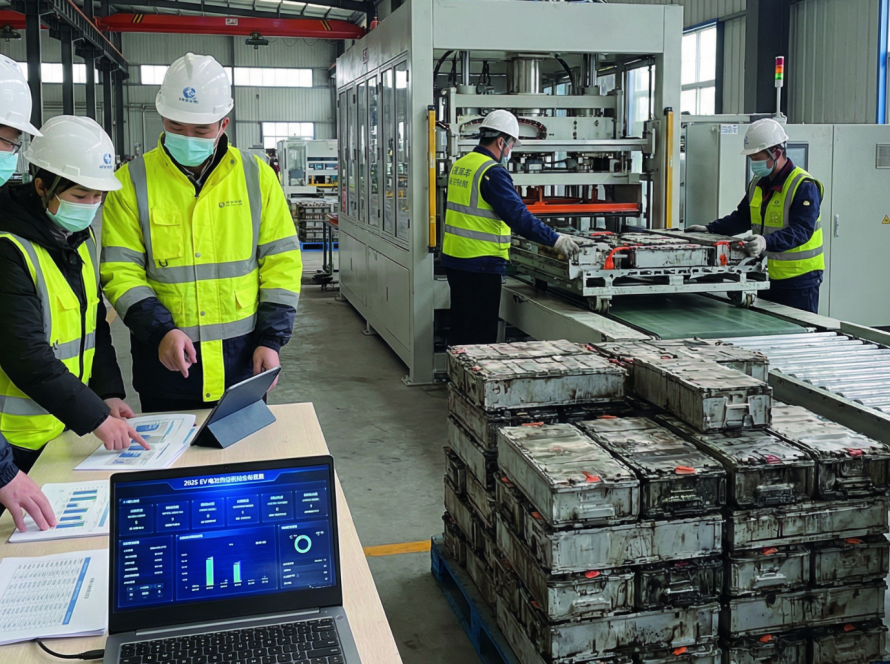
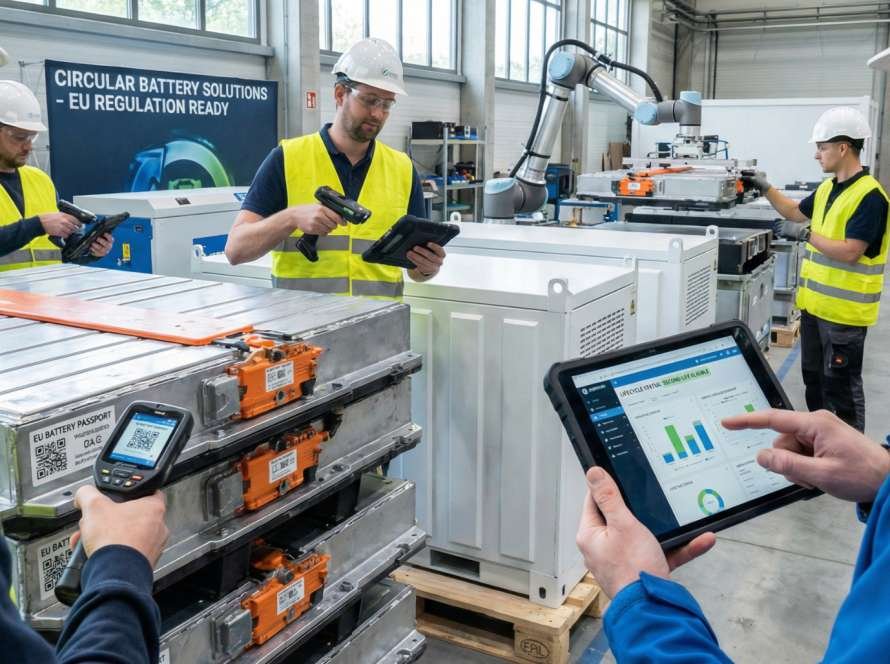
As electrification reshapes the global automotive industry, a quieter but far more consequential race is underway-one that will determine whether electric mobility becomes economically sustainable at scale. Stena Recycling’s decision to expand its investment in electric vehicle (EV) batteries beyond SEK 500 million marks a decisive shift in how the world’s battery value chain is being re-engineered for the long term.
This is not merely a recycling story. It is a global signal that the EV economy is entering its next phase-where battery reuse, lifecycle optimization, and circular value creation will define competitive advantage.
From Battery Waste to Strategic Asset
According to Stena Recycling Group, the global market for end-of-life EV batteries is projected to reach SEK 260 billion within the next decade. While early industry focus centered almost exclusively on recycling-recovering critical minerals such as lithium, cobalt, and nickel-market dynamics are now evolving.
Automotive batteries are lasting longer than originally anticipated. This has unlocked a rapidly expanding opportunity: second-life battery reuse.
EV batteries with remaining capacity can now be redeployed into applications such as:
- Industrial equipment (e.g., forklifts)
- Stationary energy storage systems
- Grid-balancing and renewable integration solutions
These batteries can generate an additional seven to ten years of economic value before final recycling-fundamentally altering battery economics for automakers, utilities, and infrastructure providers worldwide.
Europe’s Battery Lifecycle Race Has Begun
Across Europe, competition is intensifying as companies position themselves to manage the inevitable surge of post-vehicle batteries. Stena Recycling has moved early-and decisively.
Unlike many market entrants focused solely on recycling throughput, Stena is building end-to-end battery lifecycle capabilities, spanning:
- Battery health diagnostics and certification
- Reuse pathway engineering
- Regulatory-compliant transport and handling
- Final recycling and material recovery
This integrated approach places Stena among a small group of global players capable of extracting maximum value from batteries across their full lifecycle.
Reuse Is Becoming the Profit Centre
“Batteries are valuable assets-not liabilities,” notes Marcus Martinsson, Product Area Manager for Batteries at Stena Recycling Group. Demand is accelerating for solutions that extend battery life before recycling, creating new revenue streams across the automotive and energy ecosystem.
Stena Recycling expects its battery-related operations alone to generate SEK 500 million in annual turnover within five to seven years, underscoring how reuse is evolving from a sustainability initiative into a commercial growth engine.
Read more on: Rapid Growth in the Global EV Battery Recycling Market
Expertise, Data, and Regulation: The Real Barriers to Scale
Battery reuse is not plug-and-play. It requires:
- Advanced diagnostic systems and proprietary algorithms
- Individual inspection of high-voltage batteries at scale
- Deep expertise in hazardous materials logistics
- Navigation of Europe’s increasingly complex battery regulations
Stena Recycling has invested heavily in specialized talent, digital systems, and partner networks to manage this complexity-creating high barriers to entry for late-stage competitors.
A Long-Term Play with Global Implications
While EV adoption has progressed unevenly across markets, Stena Recycling views this timing as an advantage. Slower-than-expected EV penetration allows infrastructure leaders to build capacity ahead of volume, positioning themselves as default partners once battery flows accelerate globally.
With major assets already in place-including one of Europe’s largest battery recycling facilities in Halmstad, Sweden, and expanding operations across Poland, Germany, and Italy-Stena is laying the foundation for a pan-European, and eventually global, battery circularity platform.
Executive Takeaway: Why This Matters Globally
For CEOs, investors, and policymakers, Stena Recycling’s move reinforces three global realities:
- Battery reuse will be as economically important as battery recycling
- Circular battery models will define EV profitability, not just sustainability
- Lifecycle control is becoming a strategic advantage in the energy transition
As electrification accelerates worldwide, companies that master battery lifecycle intelligence-not just production-will shape the next decade of mobility and energy systems.