Recycling Efficiency Redefines EV Sustainability
For years, critics of electric vehicles have argued that mining for battery materials is as environmentally harmful as fossil fuel extraction. However, recent advances in battery recycling are changing the narrative. A new pilot program is achieving recovery rates above 99% for key metals like nickel, cobalt, and manganese, setting a new global benchmark for sustainability.
This development comes as nations accelerate electric vehicle adoption and seek solutions to minimize the environmental footprint of the transition. The new recycling framework demonstrates that with the right standards and technology, batteries can become not just cleaner, but almost fully renewable.
A Unified Framework for Closed-Loop Recycling
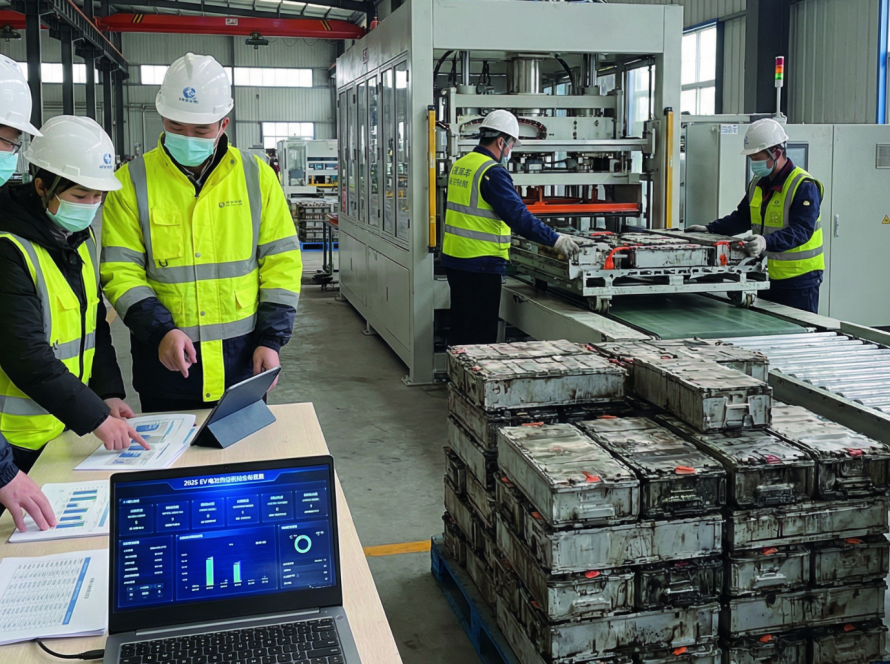
The breakthrough stems from a new comprehensive regulatory framework built on 22 national standards. These standards integrate all stakeholders in the value chain, raw material suppliers, battery producers, recyclers, and chemical processors, under a shared set of rules for dismantling and recovering used EV batteries.
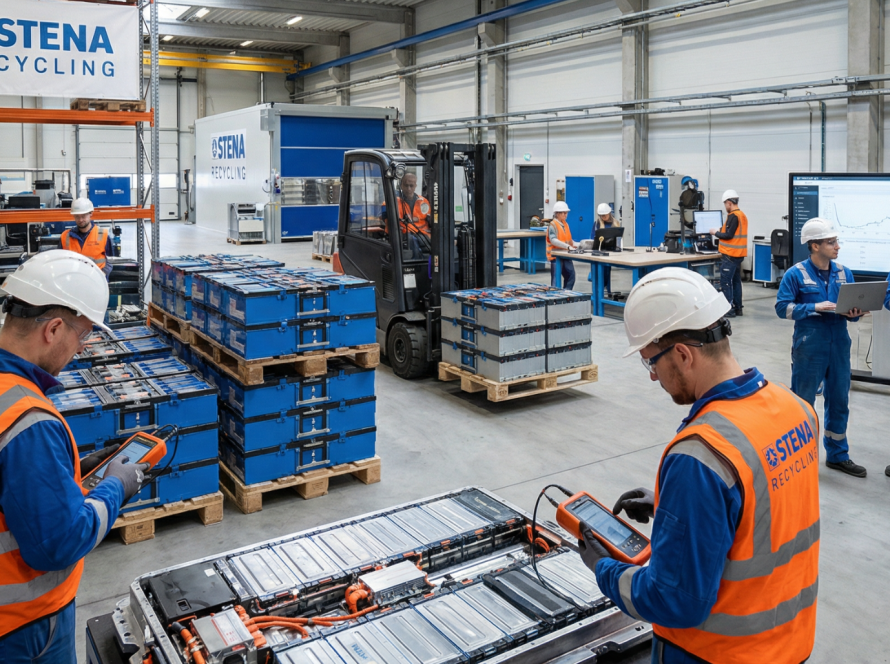
The framework covers multiple sectors, including automotive, marine, and grid-scale energy storage. Standards such as Vehicle Power Battery Recycling and Dismantling Specification and Vehicle Power Battery Remaining Energy Detection define clear, enforceable procedures for safe handling, testing, and processing.
This unified system has yielded remarkable results. Recycling companies adhering to these new standards are reporting 99.6% recovery for nickel, cobalt, and manganese, and 96.5% for lithium, efficiency levels once considered impossible in commercial-scale operations.
From Waste to Resource: The New Battery Lifecycle
EV batteries have long been framed as an environmental challenge due to their reliance on mined resources. But in reality, they represent a closed-loop opportunity. Unlike fossil fuels, which are burned once and gone forever, batteries can be reused and remanufactured repeatedly, each cycle making them cleaner and more efficient.
Over time, the carbon footprint of a single battery diminishes as its materials are reused in multiple lifecycles. This transforms the battery from a one-time product into a renewable industrial asset, with recyclers reclaiming valuable metals for use in next-generation cells.
By reintegrating these recovered materials into production, recycling not only reduces waste but also stabilizes supply chains, lowers production costs, and reduces dependence on new mining operations.
Economic and Environmental Impact
The economic implications are as significant as the environmental ones. With over 99% recovery efficiency, battery recycling could provide a stable, predictable domestic supply of critical raw materials, insulating manufacturers from market volatility and geopolitical risks.
Environmentally, high-efficiency recycling dramatically reduces the need for virgin mining, which in turn lessens habitat destruction, water contamination, and greenhouse gas emissions. It also supports the creation of localized clean-tech jobs in logistics, dismantling, and advanced material processing, strengthening regional economies.
The shift toward a closed-loop recycling model aligns directly with global sustainability goals, helping nations meet net-zero targets while maintaining competitiveness in the global energy market.
Europe’s move toward industrial-scale battery recycling infrastructure read more
A Turning Point for the Global Energy Transition
This battery recycling breakthrough signals more than an incremental improvement, it’s a systemic transformation. The combination of strict technical standards, transparent tracking, and cutting-edge recovery methods has turned recycling from an afterthought into a cornerstone of clean energy strategy.
As these systems scale, electric vehicle batteries are evolving from an ecological concern into a highly recoverable, circular resource. The outdated notion that “EVs are as dirty as oil” no longer holds weight. Innovation has caught up with ideology, and the results speak for themselves.
The more efficiently batteries are recycled, the more sustainable the entire energy ecosystem becomes. And with recovery rates now surpassing 99%, the industry has reached a turning point, one where clean energy truly closes the loop.