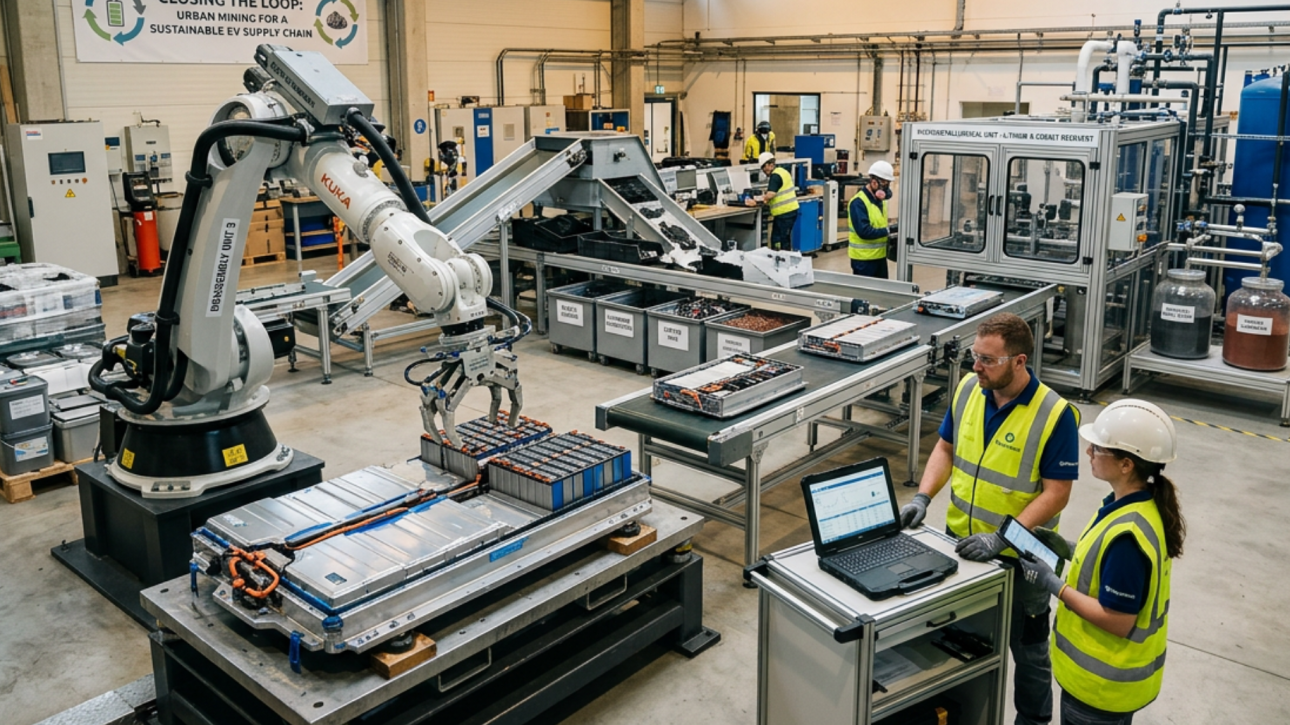
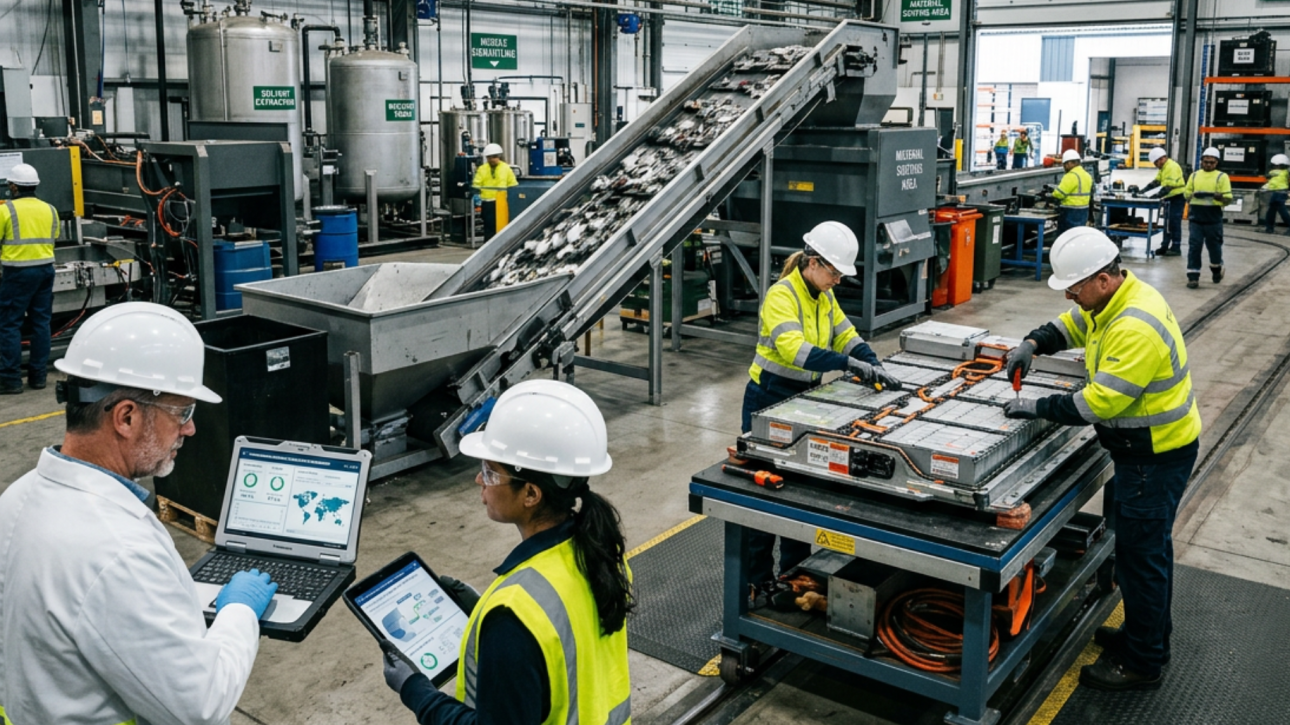
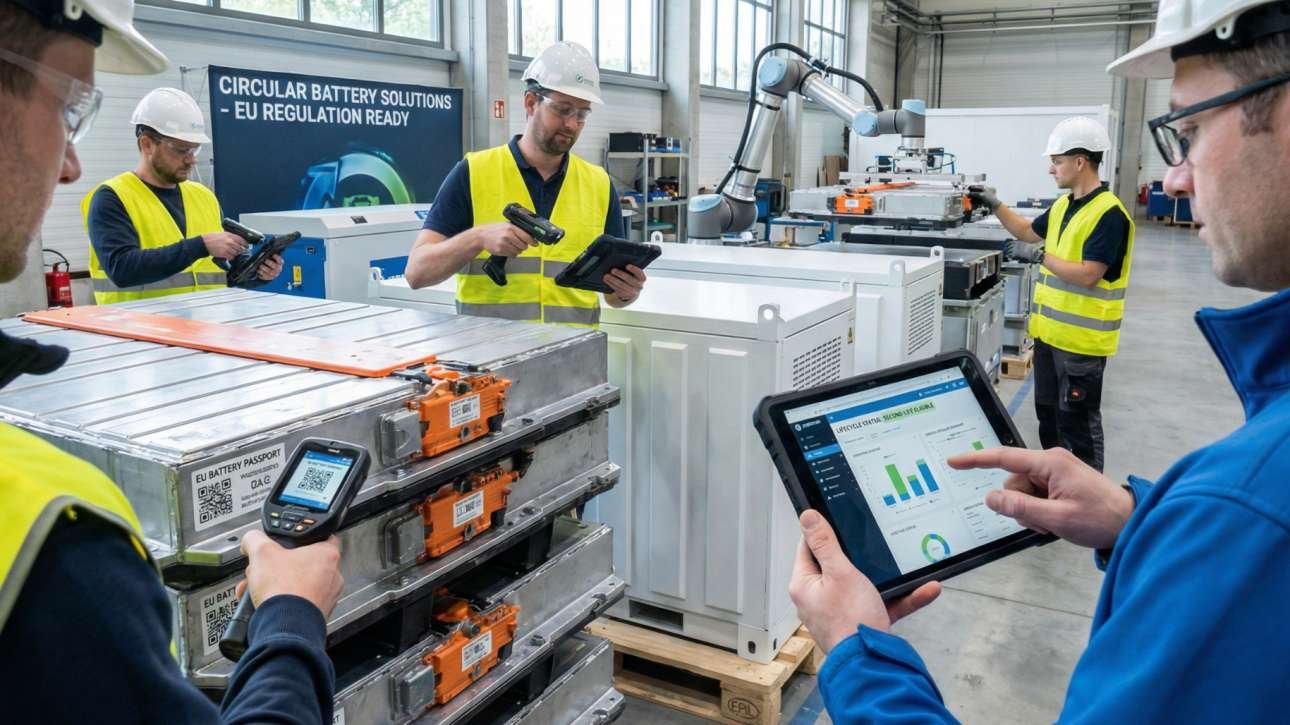
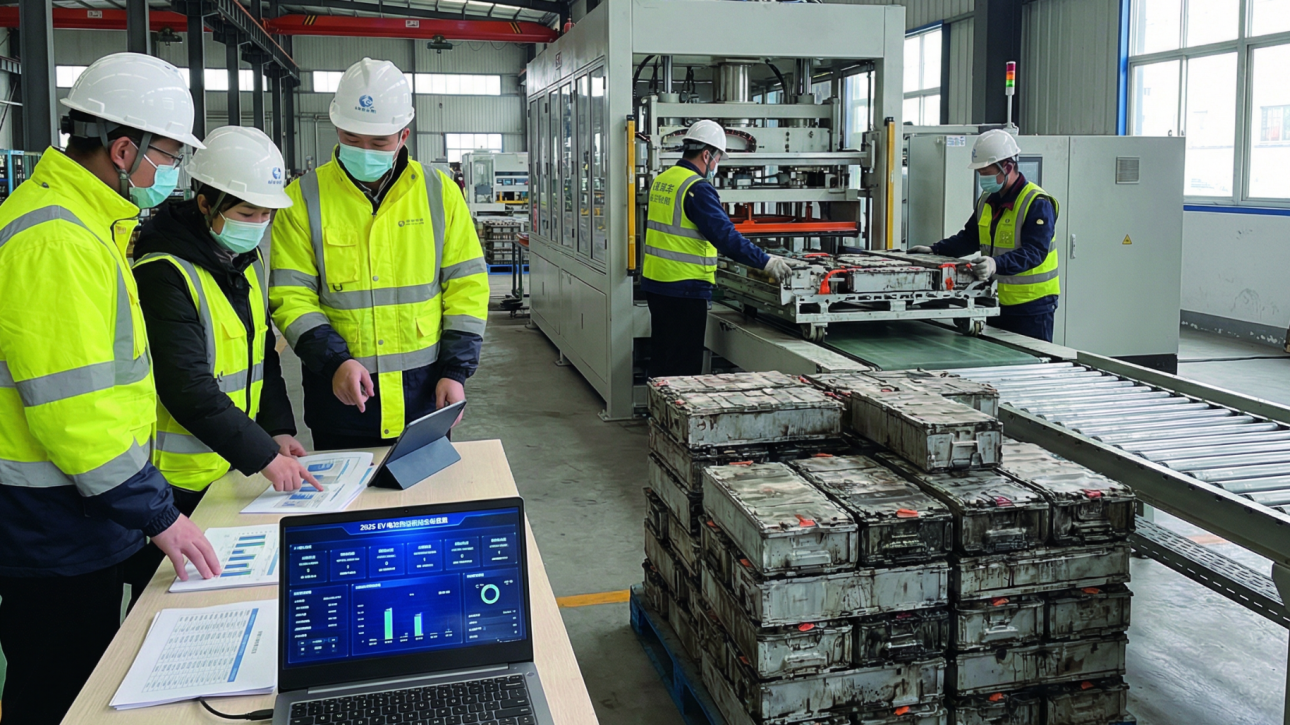
The EV battery recycling market in 2026 is evolving from a niche sustainability segment into a core industrial pillar of the global electric vehicle ecosystem. With EV adoption accelerating worldwide, recycling is becoming essential for securing critical materials and stabilizing supply chains.
EV Growth Is Driving Recycling Demand
Rising EV penetration is directly increasing future…
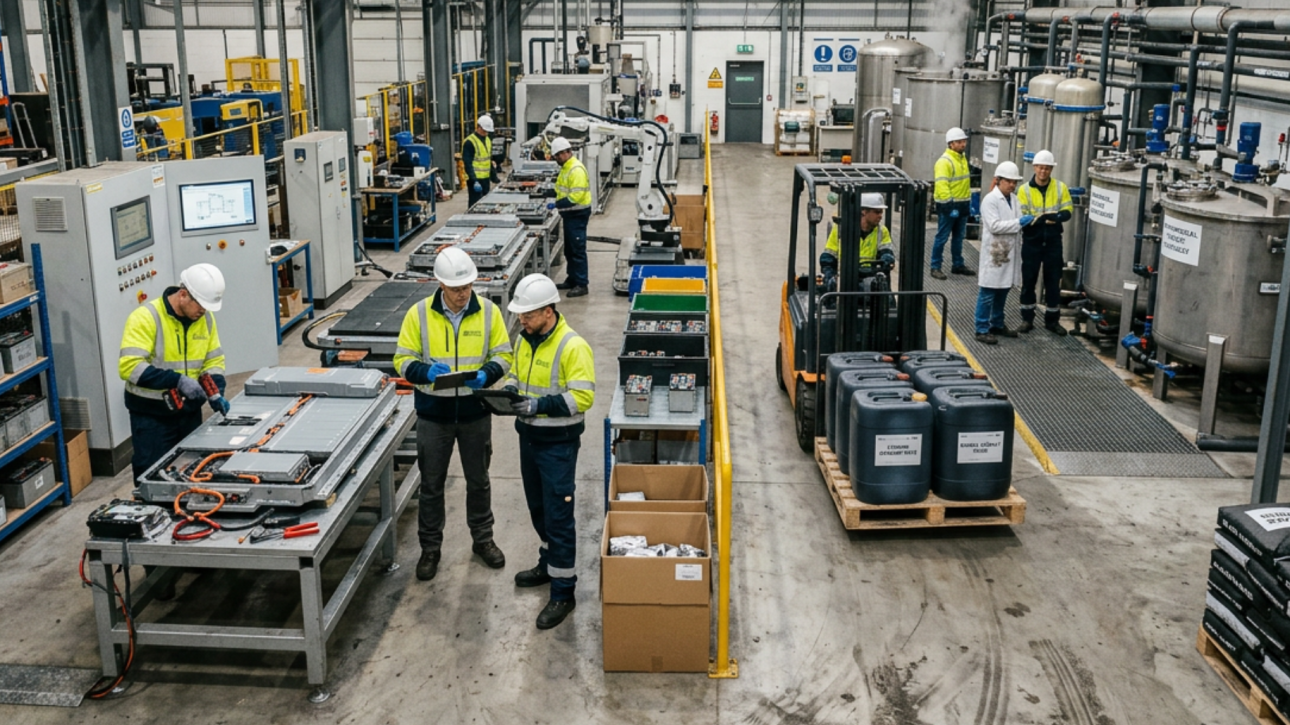
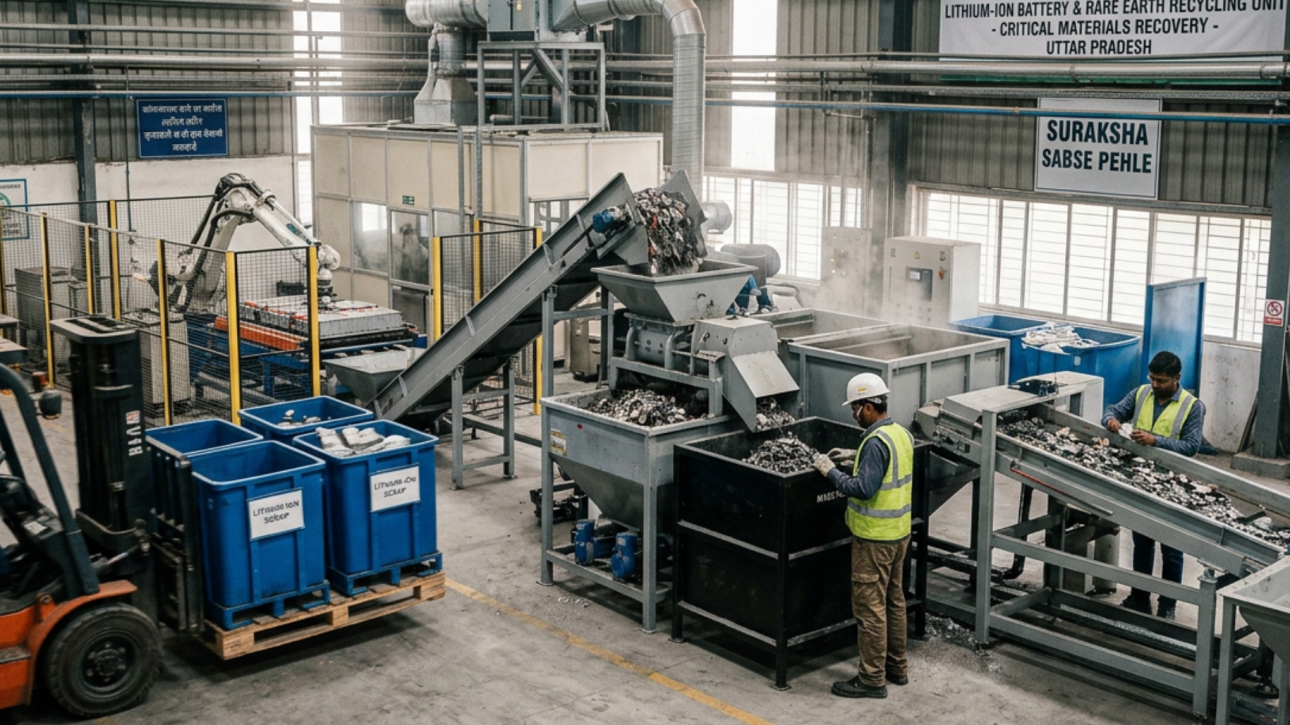
India has taken a significant step toward strengthening its critical materials ecosystem with the establishment of a new integrated lithium-ion battery and rare earth recycling facility in Uttar Pradesh. The development marks an important milestone in building domestic circular supply chains for electric mobility and advanced manufacturing.
The facility, developed by Rocklink India Pvt. Ltd.,…
Sodium-Ion Battery Recycling in Europe Accelerates Through Major Consortium
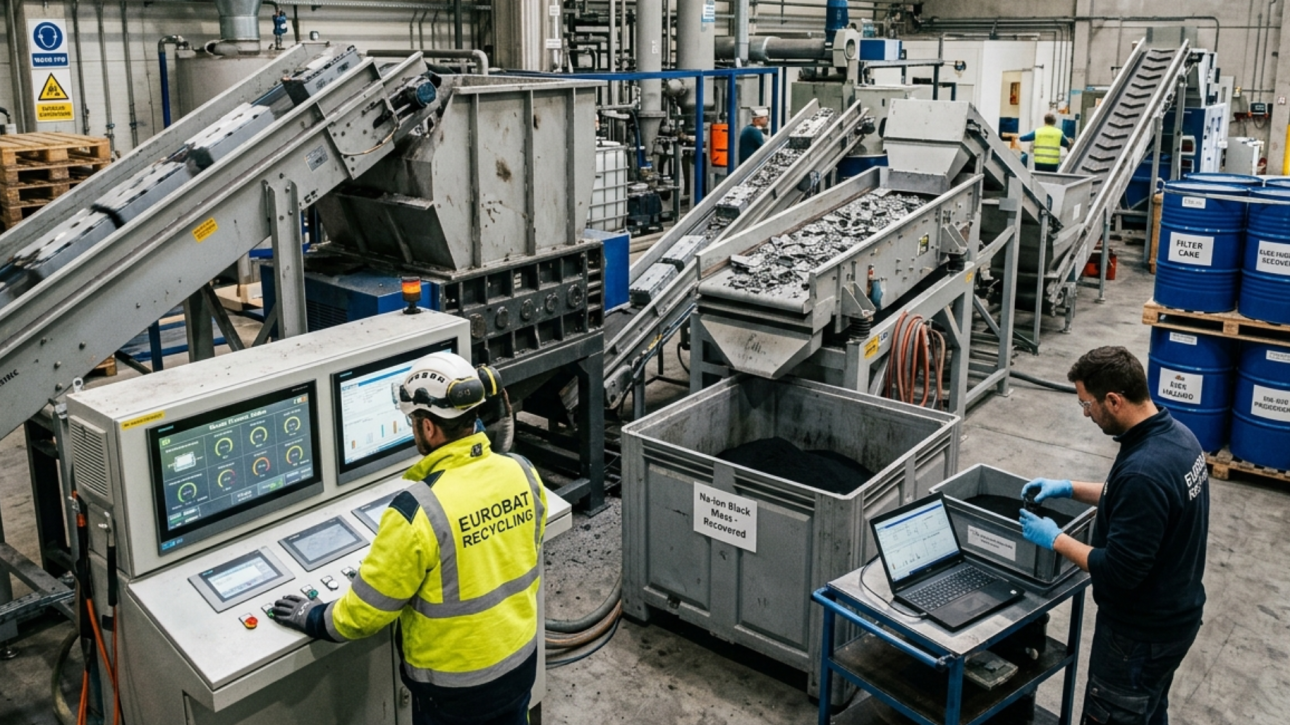
Europe is taking a decisive step toward building a sustainable battery ecosystem as a large-scale consortium advances the development of industrial sodium-ion battery recycling capabilities.
This initiative reflects a broader strategic shift to integrate recycling into the early stages of battery innovation, ensuring long-term scalability and…
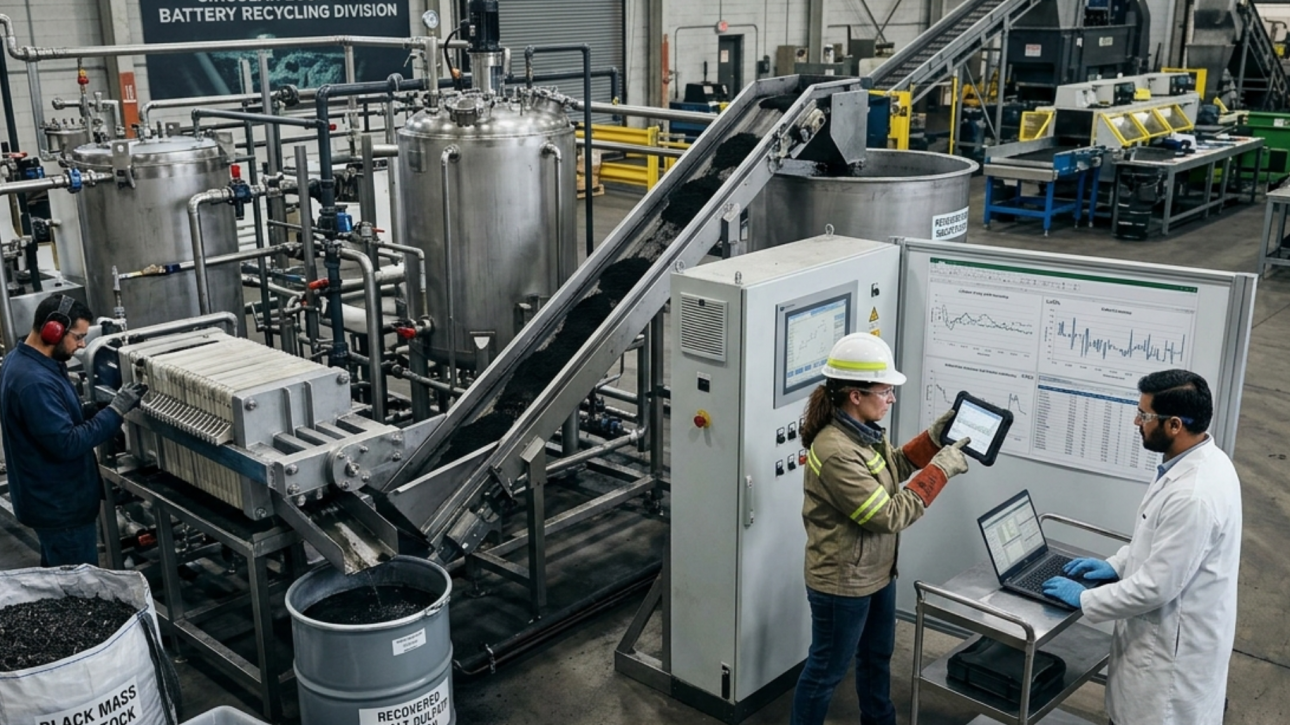
The global energy transition has entered a phase where the "urban mine" is becoming as valuable as the primary one. For C-suite leadership, black mass recycling is no longer a downstream waste management concern. In 2026, it is a front-end strategic lever for material security. With the black mass market projected to exceed 32 billion…
From EV Adoption to Resource Strategy
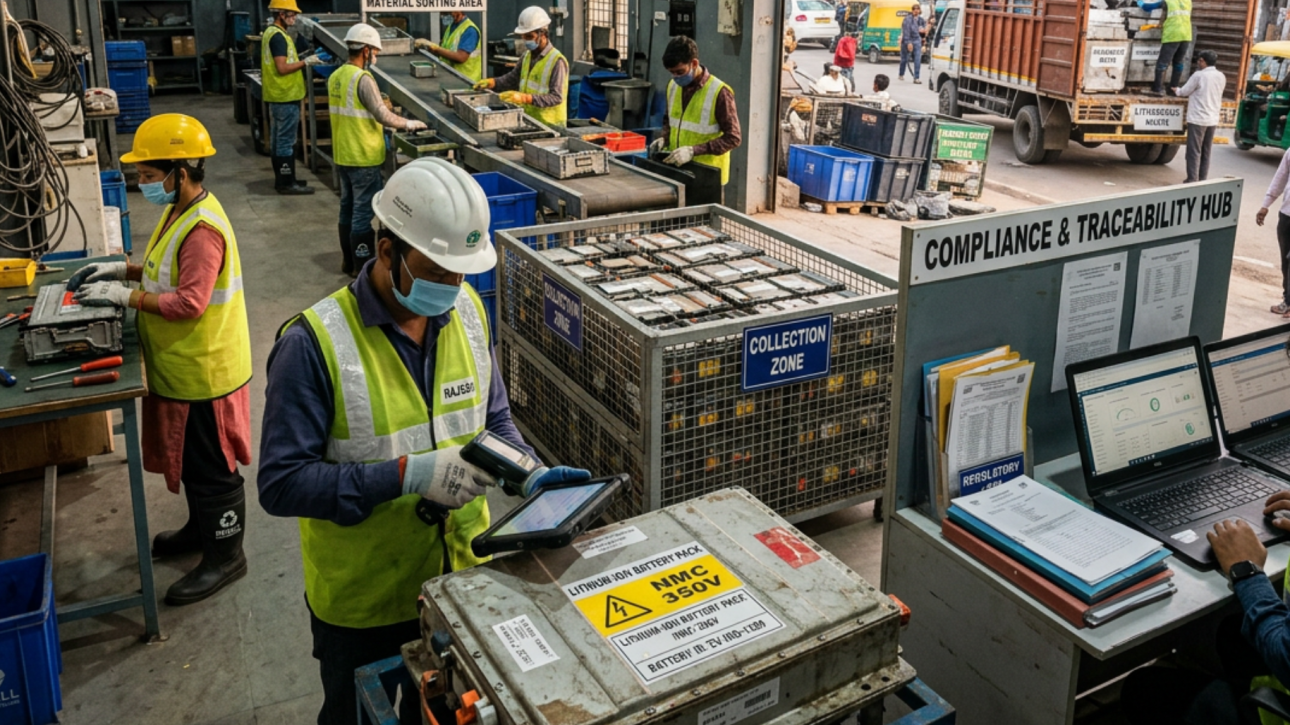
The Government of Delhi is preparing to launch a comprehensive EV battery recycling framework under its upcoming EV Policy 2.0-marking a critical transition from EV adoption to lifecycle management.
As electric vehicle penetration accelerates, the policy signals a forward-looking shift: battery waste is no longer an environmental afterthought-it is…
If the first week of March was about the "what" of battery recycling, the second week is proving to be about the "how." For C-suite leaders, the conversation has moved past the environmental altruism of recycling and straight into the heart of resource sovereignty. We are witnessing the birth of "Urban Mining" as a standardized…
The first week of March 2026 has marked a structural shift in the battery lifecycle. The industry is transitioning from a "collect and store" mentality to a sophisticated "urban mining" model. Driven by proprietary hydrometallurgical breakthroughs and a hardening of regional trade policies, battery recycling is now a core pillar of industrial energy security.
For…
The global battery industry is entering a structural transformation. What was once viewed as an environmental obligation is now becoming a strategic growth engine, driven by regulation, data transparency, and supply chain security. Between 2025 and 2035, the battery recycling and second-life battery market is set to move decisively from fragmented experimentation to industrial-scale deployment,…
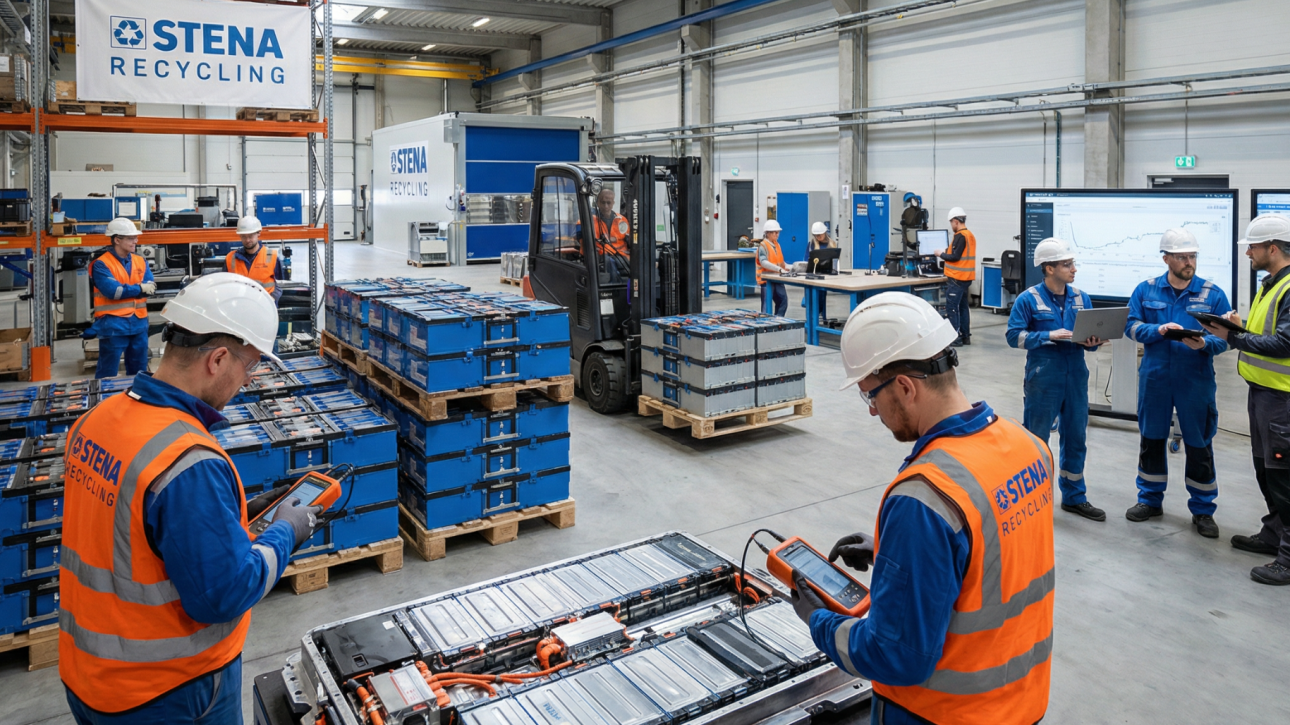
As electrification reshapes the global automotive industry, a quieter but far more consequential race is underway-one that will determine whether electric mobility becomes economically sustainable at scale. Stena Recycling’s decision to expand its investment in electric vehicle (EV) batteries beyond SEK 500 million marks a decisive shift in how the world’s battery value chain is…
Introduction
China’s implementation of strict EV battery recycling regulations in 2026 marks a defining moment for the global electric vehicle (EV) ecosystem. Far from being a regional regulatory update, this policy represents a strategic shift toward a mature, circular, and resilient global EV economy. For C-level executives navigating electrification, sustainability, and long-term capital allocation, China’s…