The EV battery recycling market in 2026 is evolving from a niche sustainability segment into a core industrial pillar of the global electric vehicle ecosystem. With EV adoption accelerating worldwide, recycling is becoming essential for securing critical materials and stabilizing supply chains.
EV Growth Is Driving Recycling Demand
Rising EV penetration is directly increasing future battery waste volumes. This is pushing the industry toward large-scale recovery systems for lithium, nickel, cobalt, and other critical materials.
Battery recycling is now central to:
- Reducing dependence on raw material mining
- Strengthening supply chain resilience
- Supporting long-term EV cost efficiency
Shift Toward a Circular Battery Economy
The industry is moving toward closed-loop systems where recovered materials are reused in new battery production. This reduces environmental impact and improves resource efficiency.
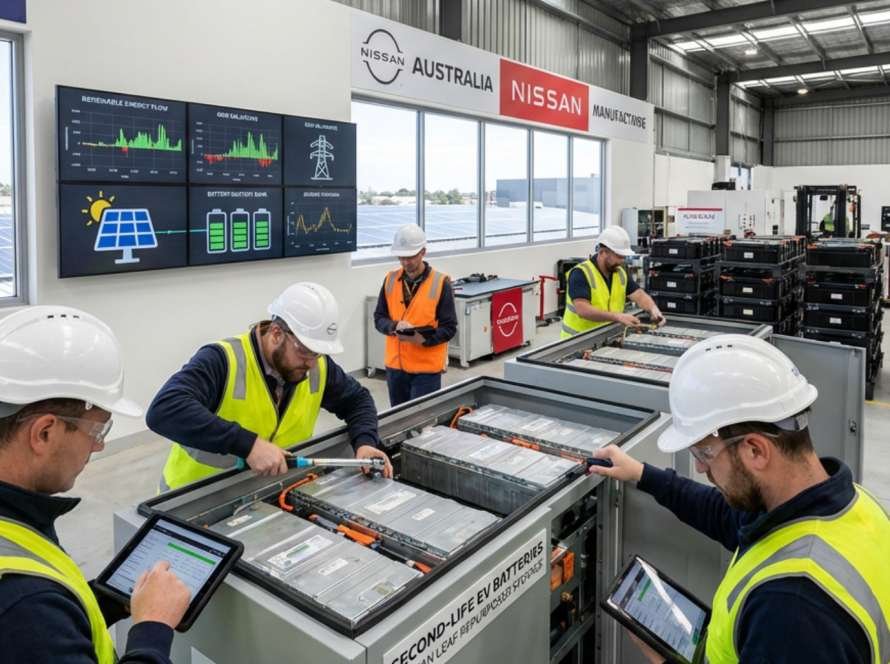
Second-life applications are also expanding, especially in:
- Grid storage systems
- Backup power infrastructure
- Industrial energy solutions
Technology Is Accelerating Scale-Up
Key innovations are improving recycling efficiency and scalability:
- Hydrometallurgical processing for higher material recovery
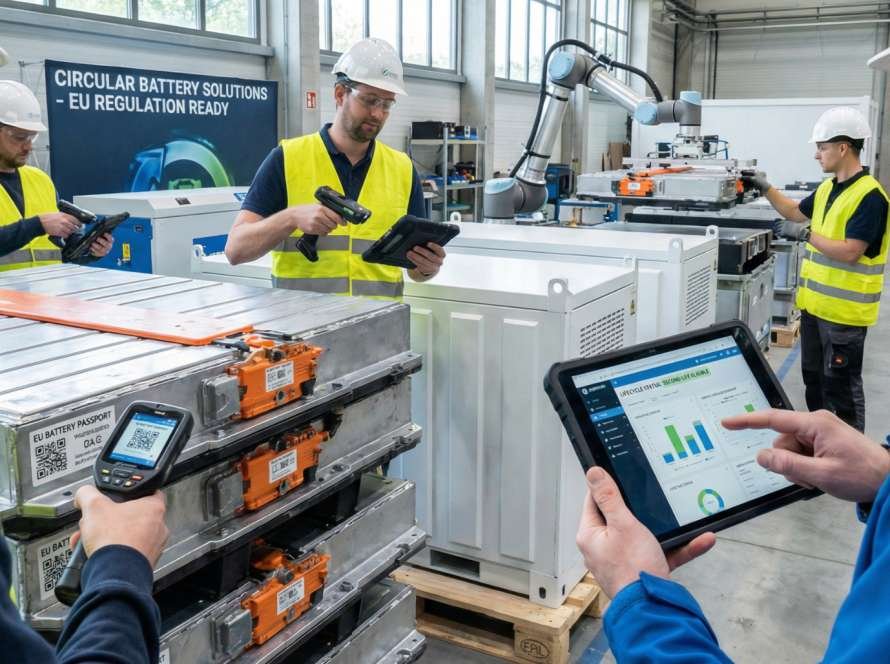
- AI-based automation in battery disassembly
- Advanced battery health diagnostics for reuse decisions
These technologies are making recycling more economically viable at scale.
Strategic Importance for Global Supply Chains
EV battery recycling is becoming a strategic lever for energy security. Recovered materials are increasingly seen as a stable alternative to volatile raw material markets.
This shift is positioning recycling as a critical component of global EV and energy strategies.
Conclusion
In 2026, EV battery recycling is no longer just an environmental solution-it is a fast-scaling industrial market. Its role in securing materials, reducing costs, and enabling circular supply chains makes it a core pillar of the global energy transition.