Delhi EV Policy 2.0 Targets Clean Mobility with Focus on Charging, Recycling, and Last-Mile EVs
The Delhi government has finalized the draft for its much-anticipated EV Policy 2.0, laying the foundation for a major leap toward sustainable urban mobility. With a core emphasis on scaling charging infrastructure, introducing a structured battery recycling ecosystem, and expanding EV van fleets for last-mile logistics, the policy is designed to solidify Delhi’s position as a frontrunner in India’s clean transport transition.
Strategic Vision for Urban Mobility
Chief Minister Rekha Gupta is leading the policy rollout and has convened a meeting of the Group of Ministers (GoM) to conduct a final review of the draft. Once this consultative process is complete, the government will release the document for public feedback to ensure industry alignment and community participation.
Delhi EV Policy 2.0 builds upon the success of its predecessor, which introduced aggressive adoption incentives and played a key role in making Delhi the city with the highest EV penetration in the country. The new version goes deeper into infrastructure, lifecycle management, and commercial EV integration.
Charging Infrastructure: Scaling Up for Real-World Adoption
A central pillar of the draft policy is the expansion of EV charging networks across Delhi. This includes:
- Public fast-charging stations in high-traffic zones such as commercial hubs, transport corridors, and residential clusters.
- Private charging support through subsidies and mandates for new developments and housing societies.
- Integration of charging infrastructure with smart grid systems to optimize energy use and reduce peak loads.
This initiative is designed not only to ease range anxiety but also to ensure that infrastructure scales in tandem with vehicle adoption rates.
Battery Recycling: Closing the Loop for Sustainable Growth
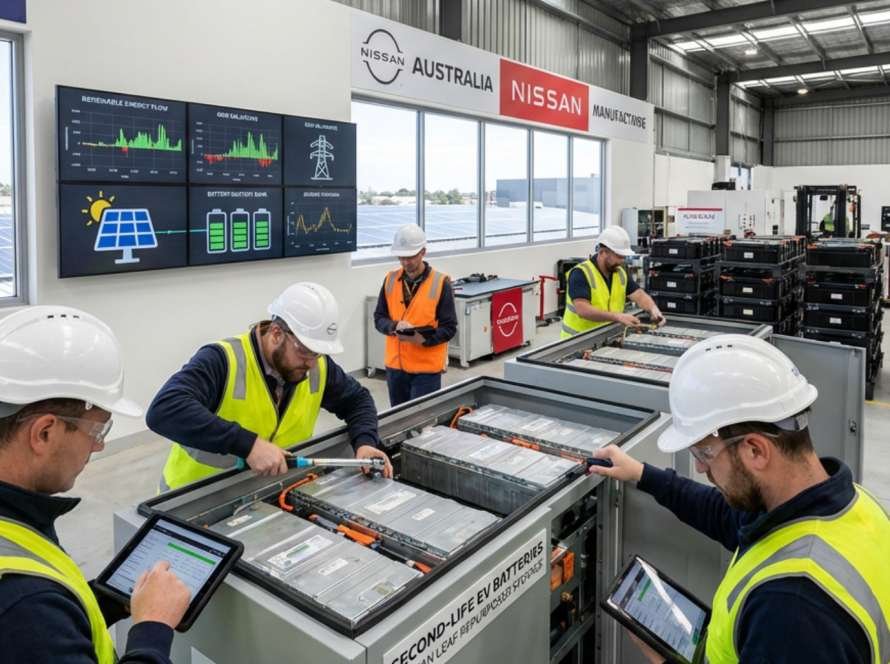
In a progressive move, Delhi’s new policy introduces measures to establish a full-fledged battery recycling ecosystem. This includes:
- Designated collection centers and partnerships with licensed recyclers.
- Regulatory frameworks for safe disposal and traceability of lithium-ion batteries.
- Incentives for manufacturers and recyclers to adopt closed-loop systems, reducing dependency on raw material imports.
By promoting responsible end-of-life management, Delhi aims to tackle both environmental risks and supply chain sustainability, positioning itself as a model for circular economy practices in EV adoption.
EV Vans and Last-Mile Connectivity
Another major highlight of the policy is the introduction of incentives and fleet guidelines for electric vans aimed at strengthening last-mile delivery and passenger transport. Key focus areas include:
- Encouraging logistics firms to switch to electric light commercial vehicles (e-LCVs).
- Enabling public and private fleet operators to access subsidies, charging infrastructure, and maintenance support.
- Promoting EV integration into app-based transport services, particularly for underserved peri-urban routes.
This step supports both clean air objectives and urban mobility resilience, particularly in the fast-growing e-commerce and intra-city logistics sectors.
Stakeholder Engagement and Industry Alignment
The Delhi government is committed to making EV Policy 2.0 a collaborative blueprint. Following the Group of Ministers meeting, the draft will be opened to feedback from:
- Automotive manufacturers and battery companies.
- Charging infrastructure providers.
- Fleet operators and logistics firms.
- Environmental and transport advocacy groups.
The policy’s final version is expected to reflect broad consensus while maintaining ambitious targets aligned with Delhi’s net-zero and clean air goals.
Why This Matters
Delhi EV Policy 2.0 provides a clear regulatory signal and investment framework for stakeholders in the EV value chain. From battery producers and recyclers to fleet operators and infrastructure developers, the policy outlines actionable opportunities in a market that is scaling fast. For business leaders looking to invest in EV infrastructure, logistics electrification, or recycling technologies, Delhi represents a model of policy-driven demand creation. With clear goals, regulatory support, and a focus on end-to-end electrification, the policy lays the groundwork for commercial success, environmental impact, and innovation leadership.
High-efficiency battery recycling enabling closed-loop EV systems read more